
Drilling and Tapping for Custom Steel Plate Parts
Hole drilling and threaded-hole coordination on cut steel plate parts — bolt patterns, mounting holes, and assembly features. Send basic project requirements first through the contact form — drawings are not uploaded on this page and can be shared later by email attachment after your inquiry is received.
Manual feasibility review — hole scope confirmed per material, thickness, and tolerance
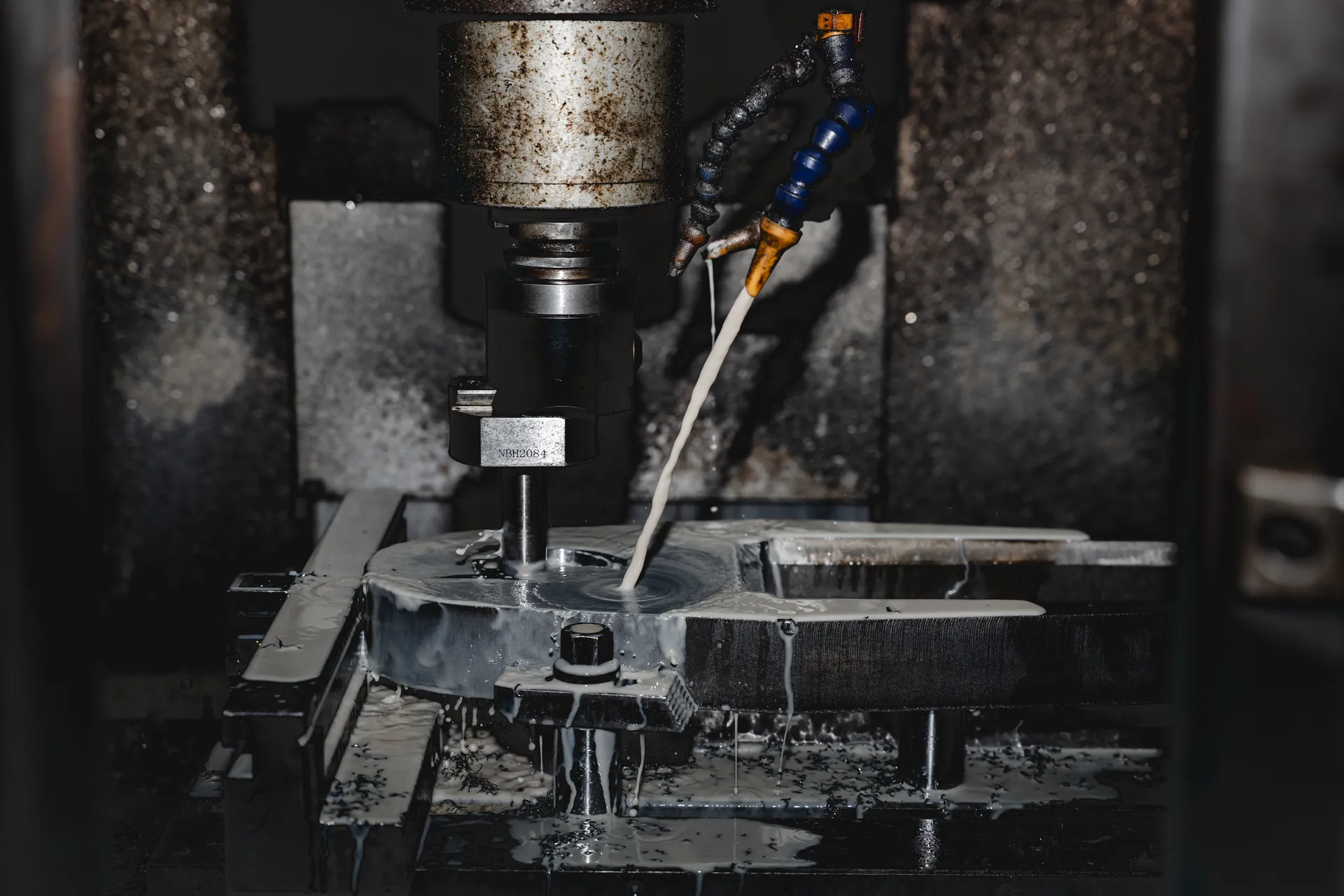
Hole processing after plate cutting.
Drilling and tapping support bolted assemblies, mounting plates, and machinery components — when confirmed feasible for your material and thickness.
Mounting & connection plates
Hole patterns for structural and machinery assembly when positional tolerance fits reviewed scope.
Clearance & fit holes
Through-holes for bolts, pins, and alignment features — larger holes may be cut rather than drilled.
Threaded fasteners
Internal threads coordinated with thread tapping when both drilling and tapping are in scope.
Counterbore & countersink
Features for flush fasteners when drawing requirements and setup allow — confirmed at quotation.
Slotted holes
Adjustment slots when geometry and method fit — reviewed per drawing.
Cut + drill + tap
Cutting, drilling, and tapping in one order when each step is confirmed feasible.
What to include for hole feasibility review.
Send basic requirements first — hole detail drawings can follow by email after inquiry.
Grade & hardness
Steel grade and hardness affect drill life, tap quality, and feasibility on thick plate.
Plate thickness
Hole diameter vs plate thickness ratio is reviewed — thick plate and 100mm+ sections need explicit confirmation.
Diameter & type
Hole diameter, through/blind/tapped, countersink or counterbore if required.
Thread specification
M-series thread size, depth, and quantity when tapping is in scope.
Positional accuracy
Hole pattern tolerance and critical fit requirements — confirmed during manual review.
Batch & drawing
Part quantity and whether hole data is on DXF, DWG, PDF, STEP, or sketch.
What affects whether holes can be drilled or tapped.
Material hardness & plate thickness
Hard grades and thick plate increase drilling difficulty. Not every hole diameter is feasible at every thickness — especially on 100mm+ heavy sections without review.
Hole diameter vs thickness
Small holes in thick plate may require different tooling or method. Holes larger than ⌀14mm are often cut by laser or flame as part of the main cutting process.
Post-cutting distortion
Cutting heat and plate release can affect hole position. Positional tolerance targets are reviewed against cutting method and inspection capability.
Fixture access & tapping depth
Part geometry must allow drill and tap access. Tapping depth and thread quality depend on prepared hole diameter and material — confirmed at quotation.
Drilling specifications — confirmed per order.
Reference ranges only. Depth up to 50mm applies in typical radial-drill setups — subject to material, geometry, and access review, not guaranteed for every part.
| Item | Reference specification | Notes |
|---|---|---|
| Maximum drill diameter | ⌀14mm typical | Larger holes: usually laser or flame cut — confirm per drawing |
| Maximum drill depth | Up to 50mm typical | Subject to material, thickness, and setup review — not guaranteed for all geometries |
| Minimum cut hole (reference) | Laser: ≥0.4 × Material Thickness Flame: ≥0.7 × Material Thickness | Method-dependent; confirm against material, thickness, geometry, and project requirements |
| Hole position tolerance | ±0.3mm typical reference | Depends on material, thickness, distortion, and setup — not a blanket machining guarantee |
| Tapping (companion) | Up to M16 typical | See thread tapping — confirmed per hole prep |
| Combined with cutting | When confirmed in scope | Cut first, then drill/tap in sequence |
Requirements first — drawings by email attachment after inquiry.
Do not upload drawings on this website. No drawing files are uploaded or stored on this website.
Send basic requirements
Share material, thickness, hole diameters, thread specs, quantity, and tolerance targets through /contact/#quote-form first.
Email attachment after inquiry
After your initial inquiry is received, send DXF, DWG, PDF, STEP, STP, or ZIP files as email attachments for hole pattern review.
NDA / confidential projects
Simplified drawings or NDA discussion before full hole detail packages — note confidentiality in your inquiry.
From requirements to drilled parts — manual review at each step.
Send basic requirements first
Material, thickness, hole sizes, thread needs, quantity, and tolerance targets through the contact form or email — not through on-page drawing upload.
Manual scope review
YUNCUT reviews hole feasibility, cutting method, and combined scope. Drawing files follow by email attachment after your inquiry is received.
Cut, then drill and tap
Plate is cut to shape, then drilled and tapped to specification in sequence when each step is confirmed in scope.
Inspection before shipment
Hole diameters, positions, and thread fit checked before packing when in agreed inspection scope.
Not an instant quote — hole scope itemised at review.
YUNCUT does not provide instant online drilling or tapping pricing. Cutting and hole work are reviewed manually and itemised separately for transparency when both are in scope.
There is no guaranteed delivery promise on this page. Lead time depends on scope, material, and production schedule — discussed after inquiry review.
Drilling and tapping questions before you contact us.
What hole information do you need?
Material, plate thickness, hole diameter, thread specification if tapped, through/blind/tapped type, quantity, positional tolerance targets, and drawing availability. Send basics first via contact form.
Can YUNCUT tap thick plates?
Sometimes, when hole diameter, material, and access allow — but thick plate and 100mm+ sections require explicit feasibility review. Not all thick plate parts can be tapped without drawing review.
Can all holes meet ±0.3mm positional tolerance?
No. ±0.3mm is a typical reference depending on material, thickness, distortion after cutting, and setup — not a blanket guarantee for every hole pattern or plate thickness.
What affects hole accuracy?
Material hardness, plate thickness, hole diameter vs thickness, cutting method, thermal distortion, fixture access, and inspection method. Targets are confirmed during manual quotation review.
How do I send drawings?
Do not upload on this website. Send basic requirements first. After your inquiry is received, share DXF, DWG, PDF, STEP, STP, or ZIP files by email attachment. See DXF preparation guide for tips.
Can I upload drawings on this page?
No. No drawing files are stored on this website. Requirements first; drawings by email attachment after inquiry.
How should confidential drawings be handled?
Contact YUNCUT before sending sensitive hole detail. NDA or simplified drawing arrangements available.
Continue reviewing capability and process.
Send basic requirements first.
Hole drawings can follow by email after your inquiry is open.
Share material, thickness, hole sizes, thread specs, and tolerance targets — not through instant online pricing or on-page file upload.